Our Services
PLANT MAINTENANCE / SHUTDOWN / REACTIVATION
Importance:
The point of shutdown is to create a plan for a complete cessation of all plant activities to perform necessary maintenance, repairs, component replacements, and internal maintenance. This includes putting the equipment into process columns, for a vast number of reasons, including increasing throughput, replacing or maintaining internal mass transfer equipment, and carrying out process upgrades.
Shutdowns are necessary because they are often required by federal and state government agencies to prevent accidents and to ensure that the plants are running within required regulations.
Objectives:
- To achieve minimum breakdowns and keep the plant in good working condition at the lowest possible cost.
- For machines and other facilities to be kept in perfect conditions that allow them to deliver at optimal capacity and efficiency, without interruptions or hindrances.
- To work independently as an outsourced expert, or in collaboration with in-house maintenance teams to ensure the availability of the machines, buildings, and services required by all sectors of the factory to carry out their functions effectively at optimum ROI, whether the investment is in material, machinery, or personnel.
CONTROLLED BOLTING SERVICES
Torqueing
- We have a wide range of hydraulic and pneumatic torqueing tools for on-site services.
- Parallel Joint Closure using multiple wrenches to ensure “joint integrity.”
- Adherence to bolting sequence procedure as per ASME guidelines.
- Crew with over 10,000 hours of combined experience in torqueing.
- Flange identification, tagging, and data management for accountability and traceability.
RANGE
Hydraulic Torque Wrenches: 47 Nm – 187,794 Nm
Pneumatic Torque Wrenches: 68 Nm – 11,233 Nm
Nut Size: 22 MM to 245 MM
Tensioning
- We have a wide range of standard, spring return, foundation, and multistage tensioners for on-site deployment.
- Parallel joint closure by using multiple tensioners to ensure “joint integrity.”
- Optimum for all ANSI, API, and ASME flanges.
- Adherence to bolting sequence procedure as per ASME guidelines.
- Flange identification, tagging, and data management for accountability and traceability.
RANGE
Bolt Tensioning: 228 kN – 4650 kN
Nut Size: M24 (1′) – M100 (4′)
Flange Maintenance
Flange Spreading:
- We have several integral, external, and valve change-out hydraulic flange spreaders.
- Can be used for wafer/butterfly valves, spades/spacers, or gaskets from large flange joints.
- Flange spreader range covers ANSI, DIN, SPO, ASME, API, and BS flanges.
Flange Alignment:
- We offer mechanical fixed flange & rotational alignment tools for low and medium pressure flange joint misalignment.
RANGE
Spreading Force: Up to 25 Tons
Access Gap Required: 5 – 40 mm
Alignment Force: Up to 6 Tons
Nut Splitting and Stud Removal
- We offer integral and external nut splitting tools.
- An easy, quick, and efficient way of cold cutting seized-up nuts in a corroded environment.
- Nut removal without any damage to the studs, and without hazardous procedures like grinding, sawing, and flame cutting.
- Stud extraction via non-hazardous procedures.
RANGE
Nut Splitting: M22 (32 mm) – M72 (110 mm)
Capacity: 10 Tons – 50 Tons
Cold Pipe-Cutting and Prepping
- We offer several hydraulic-and pneumatically-operated cold pipe cutting and beveling machines.
- We provide cold-cutting machines that can cut Carbon Steel (CS), Stainless Steel (SS), Alloy Steel (AS), Inconel, and Monel pipes.
- Our forte lies in pipe severing, replacing, cutting, grooving, beveling, counter boring, and overall pipeline integrity.
- A 30-man read-to-go expertise crew.
RANGE
Pipe Cutting: 1′ – 56′
Pipe Thickness: 4mm – 85mm
Beveling: 37 * 5, 22 * 5, 47 * 5 standard bevel & J Grove
Counter Boring: 10′ to 56′
Flange Facing and Serration
- We offer several manual and pneumatically-operated flange facing and serration machines.
- Tools can be configured either in ID, OD, or surface-mount configurations.
- Flexibility to create a variety of cuts, including chamfers, O-Ring grooves, lens rings, and other angular surfaces.
RANGE
Flange Facing ID or OD Mount: 12′ – 80′
Flange Serration (Automatic): 12′ – 80′
Flange Serration (Manual): 0′ – 1′
Calibration
Calibration is the act of ensuring that a method or instrument used in measurements will produce accurate results. There are two common procedures: the working curve and the standard-addition method. Both methods require one or more standards of known composition to calibrate the measurement.
Instrumental methods are usually calibrated with standards that are prepared (or purchased) using non-instrumental analysis; there are two direct analytical methods: gravimetry and coulometry. Titration is similar, but it requires the preparation of a primary standard.
The main advantage of the working curve method is its rapidity: a single set of standards can be used for measuring multiple samples. The standard-addition method requires multiple measurements for each sample, but it can reduce inaccuracies due to interferences and matrix effects.
It is a branch of civil engineering involved with the maintenance, design, and construction of both natural and man-made environments, such as roads, railways, buildings, water reservoirs, subdivisions, airports, bridges, sewers, tunnels, and dams.
The civil engineering industry consists of individuals, companies, and other interested parties who are involved in the planning, creation, and designing of our infrastructure.
VALUE ADDED SERVICES
Blue-matching and Onsite Drilling
- We offer blue matching services for the correct positioning core and cavity during mound assembly.
- Our on-site drilling services include cutting jobs, drilling, and tapping through steels of all thicknesses. Services include hole punching or circular, square/rectangular slots, in restricted/awkward positions.
RANGE
Blue Matching: As per equipment dimensions.
On-Site Drilling: All types of steels.
General Workshop Management
- We use lathe, drills, milling, tapping, and shaping equipment for the production of components as per our clients’ requirements.
- We assign maintenance supervisors for the general health and safety of the manpower and machines in our managed workshops.
Safety:
All personnel to follow housekeeping, PPEs, and hazard identification procedures while maintaining a clean work area.
Storage:
Safe handling and proper storage of hazardous, flammable, dangerous materials via shelving, labelling, waste management, and periodical inspections to avoid spillage, leakage, breakage, or fails.
Handling:
Only trained personnel operate machinery under the supervision of their respective team lead as per guidelines set to ensure adherence to processes control procedures.
General Tool Maintenance at Client's Premises
General Inspection:
Our Annual Tool Maintenance service covers end-to-end health and maintenance checkups of equipment supplied or available at our clients’ locations. This includes tensioning tools, torque tools, machining equipment, jacks, spares, hoses, pumps, etc.
Tools Audit:
Periodical health inspections of tools and accessories to preemptively identify defects, abnormalities, and nonconformities.
Calibration:
Timely calibration and certification of all equipment supplied or provided, to always maintain operational readiness. On-site repair and calibration of torqueing and tensioning equipment with Fostech Mobile Van.
Testing:
Equipment to be validated under the Test Plan Procedure set before being cleared for use on-site.
Pressure Leak and Testing
A leak is an undesirable flow of gas or liquid through the wall of a vessel via an imperfection such as a hole, crack, or bad seal. Leaks require a pressure difference to generate the flow; they always flow from higher pressure to lower pressure.
Typically, leaks are thought of as travelling from positive pressure (inside an object) to atmospheric pressure (outside an object). This is not always the case as a leak could be from the atmosphere to inside an evacuated object, but it helps us to think about it in this way because the units and terminologies are based on this model.
Valve Overhauling
We have acquired a wealth of experience in overhauling every type of valve from every area of industrial, commercial, and marine installation.
We strip all valves to their basic form, clean them using suitable methods, and thereafter inspect them to ensure they are within the manufacturer’s tolerance to be put back into service in the valve.
Flange faces are carefully inspected for damage and machined if required. Seat and disc faces are machined if required, and then lapped to ensure a perfect seal. All packagings and gaskets are replaced with material suitable for the application. The valves are then reassembled, pressure tested, and painted in accordance with our clients’ requirements.
We attach metal tags to identify the valves in our records, and a test certificate is issued detailing the pressure sustainment of the tested valve and the engineer responsible.
Advanced Non-Destructive Testing (ANDT)
ANDT is regarded as one of the best approaches to NDT in construction engineering. It is the use of advanced techniques to evaluate the integrity and quality of materials and structures without causing any damage to either.
ANDT ensures the safety and prevention of structural failures while remaining compliant with industry standards. It is deployed in testing concrete, steel, and welds in buildings, pipelines, bridges, and other types of infrastructure.
Fostech experts carry out ANDT through Visual Testing (VT), Radiographic Testing (RT), Digital Radiography (DR), Magnetic Particle Testing (MT), and Liquid Penetrant Testing (PT), using the industry’s best equipment.
Installation of Pipes, Spools, and Valves
Even when the installation is temporary difficult, it is important to think about the long-term work of the operator. It is best to have the valve hand wheel and the chest (usually 1.2 meters away from the operating floor), so that the opening and closing of the valve is more labor-saving.
The floor valve hand wheel should be facing up, do not tilt, so as to avoid awkward operation. The valve against the wall machine should also leave room for the operator to stand.
FOSTECH Procurement Services
We Help Clients Procure Equipment and Accessories
We provide procurement advisory and delivery solutions to help reduce supply risk and improve procurement effectiveness. It is also the link between engineering and construction through sourcing, purchasing, and delivering bulk materials and equipment.
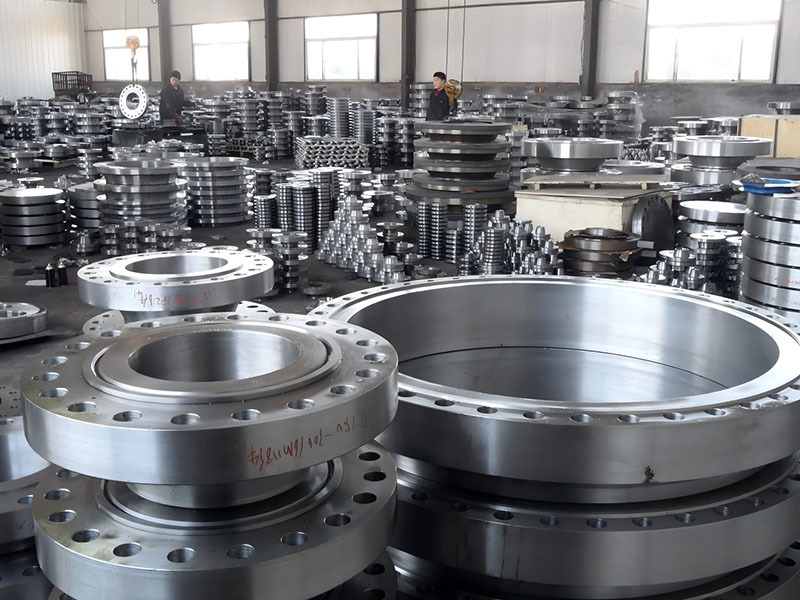
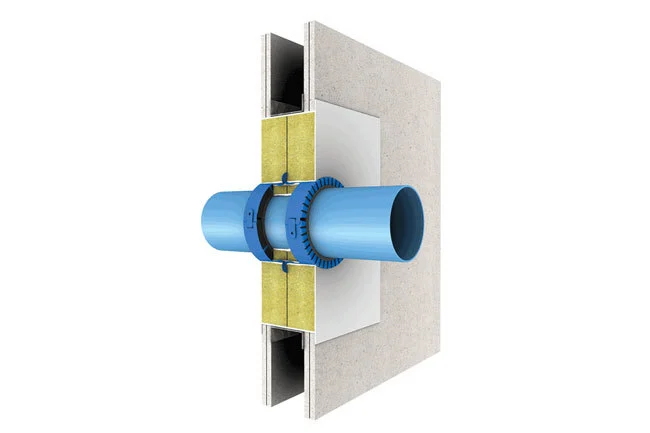
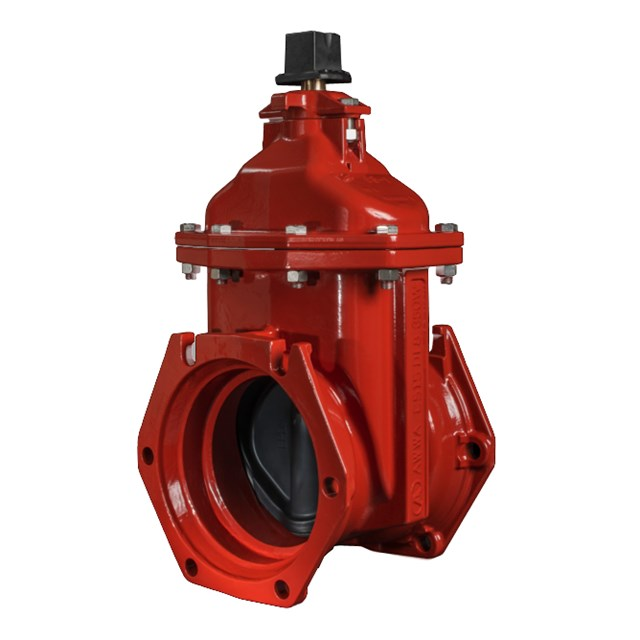
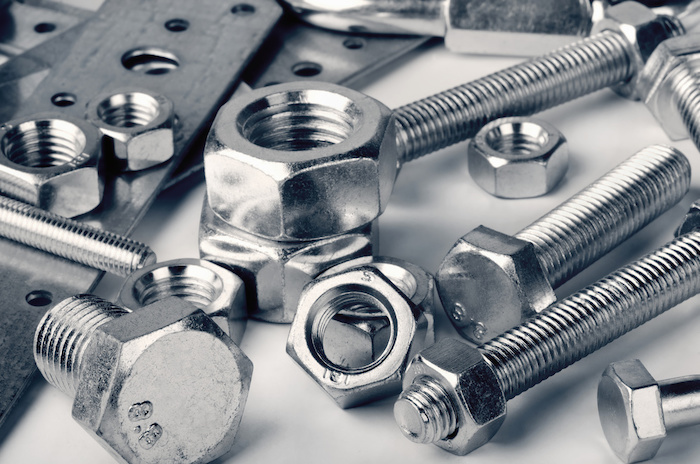
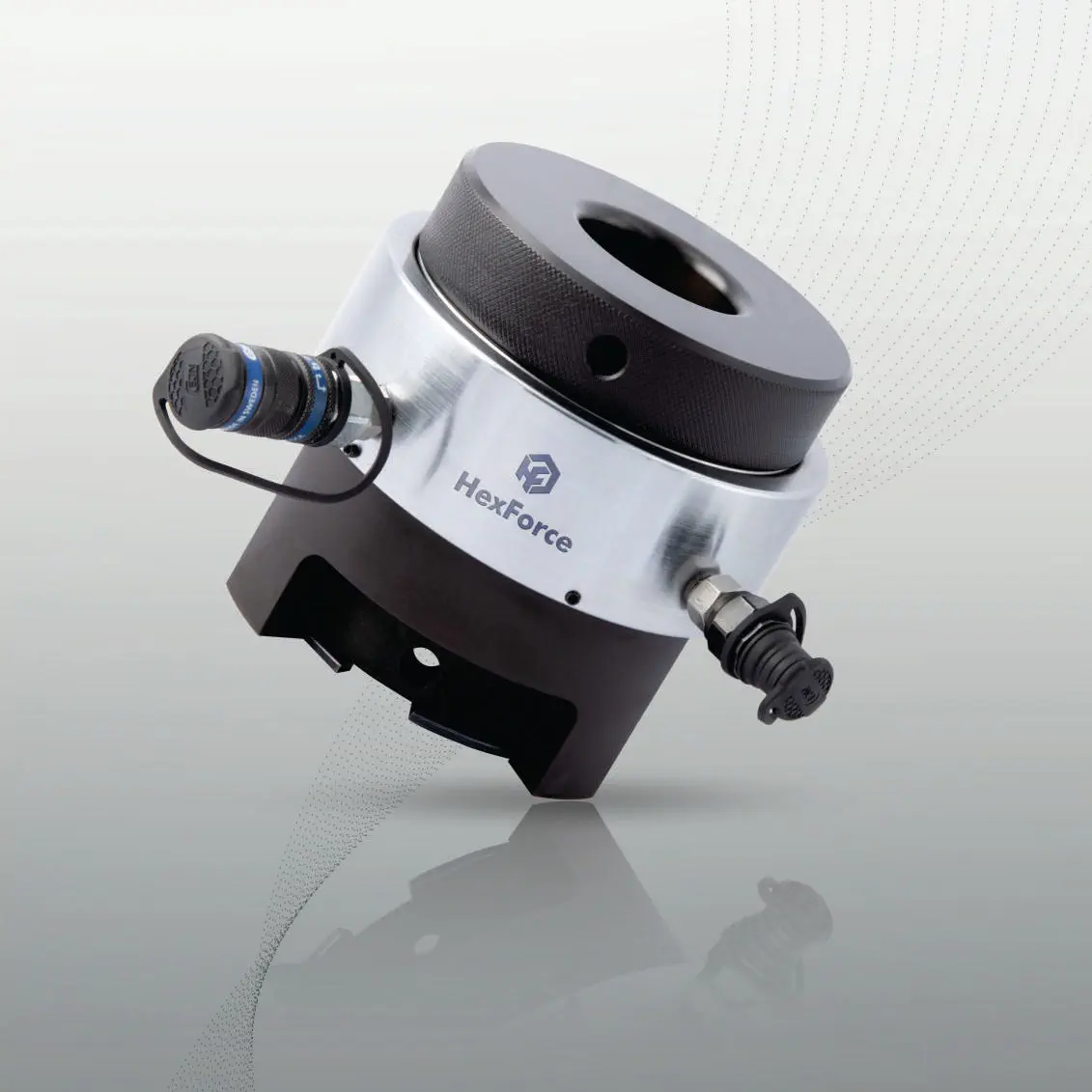
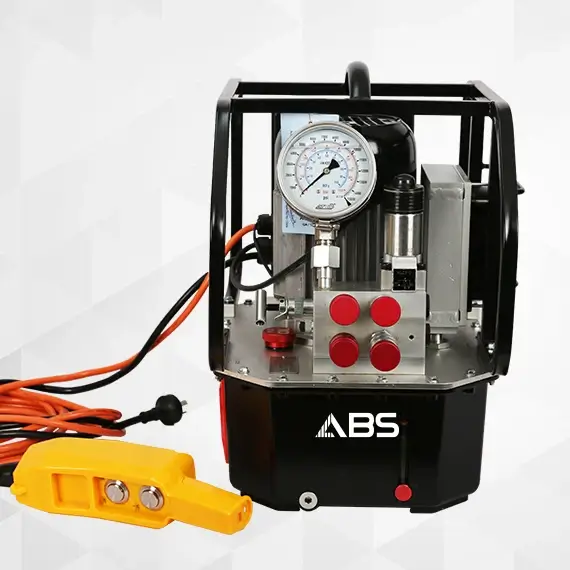
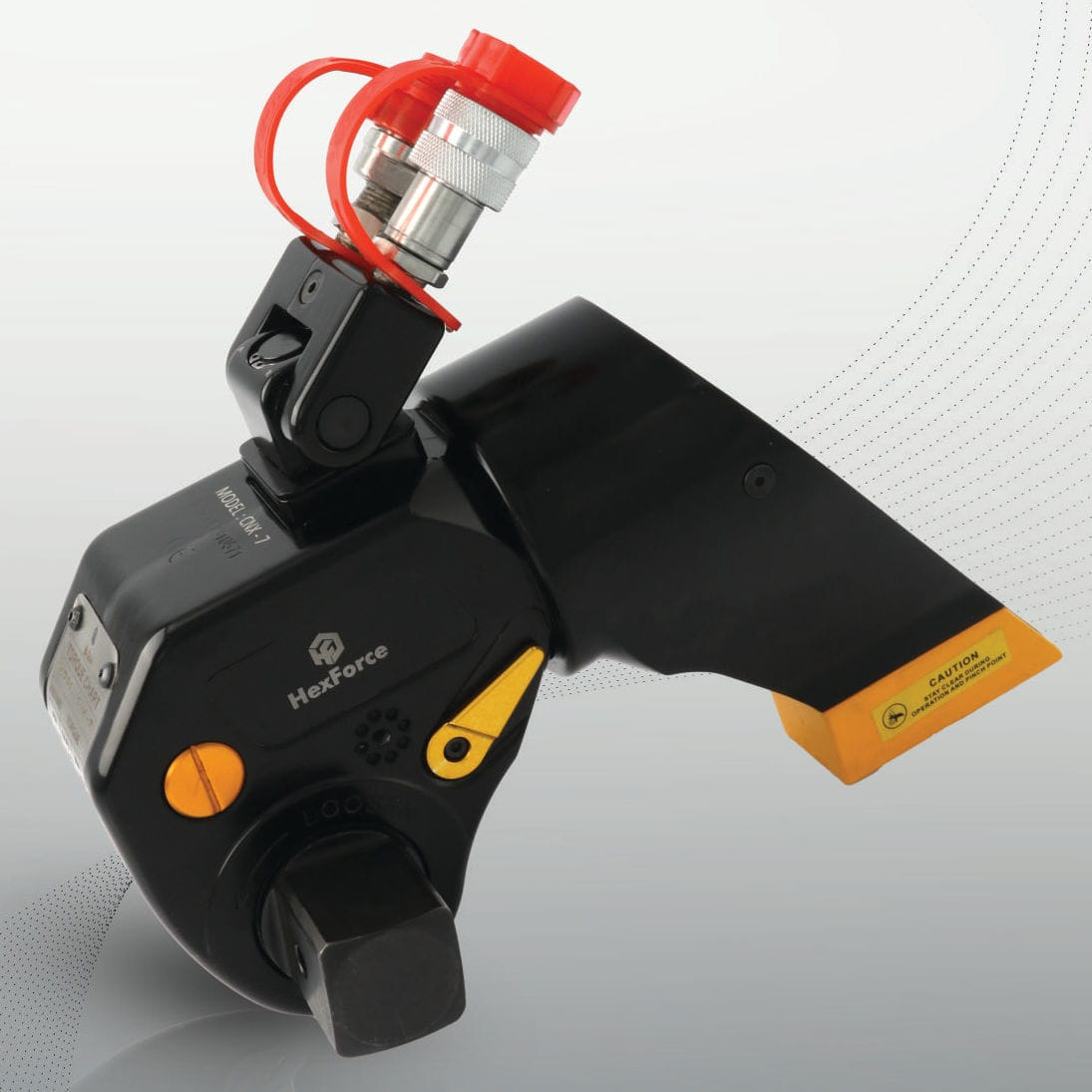
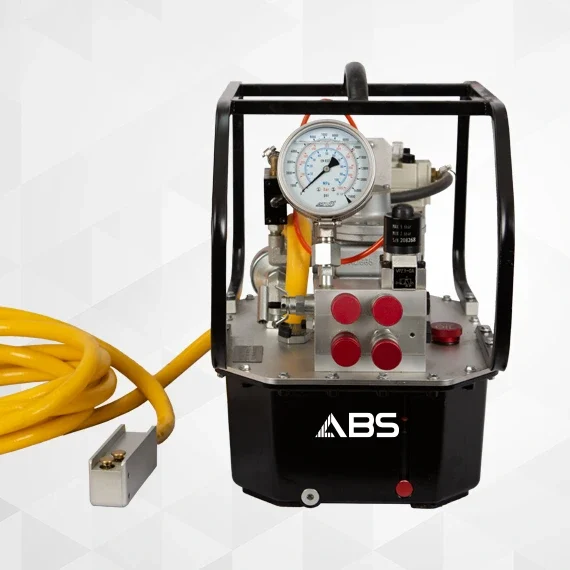
List of Equipment and Accessories We Help to Procure
- Hydraulic Torque Wrenches
- Torqueing Pumps
- Valves
- Bolts and Nuts
- Flanges
- Tensioners
- Hydraulic Nuts
- Tensioning Pumps
- Flange Spreader
- Nut Splitters
- Bolting Accessories
- Slugging Wrenches
- Non-Sparking Safety Tools